

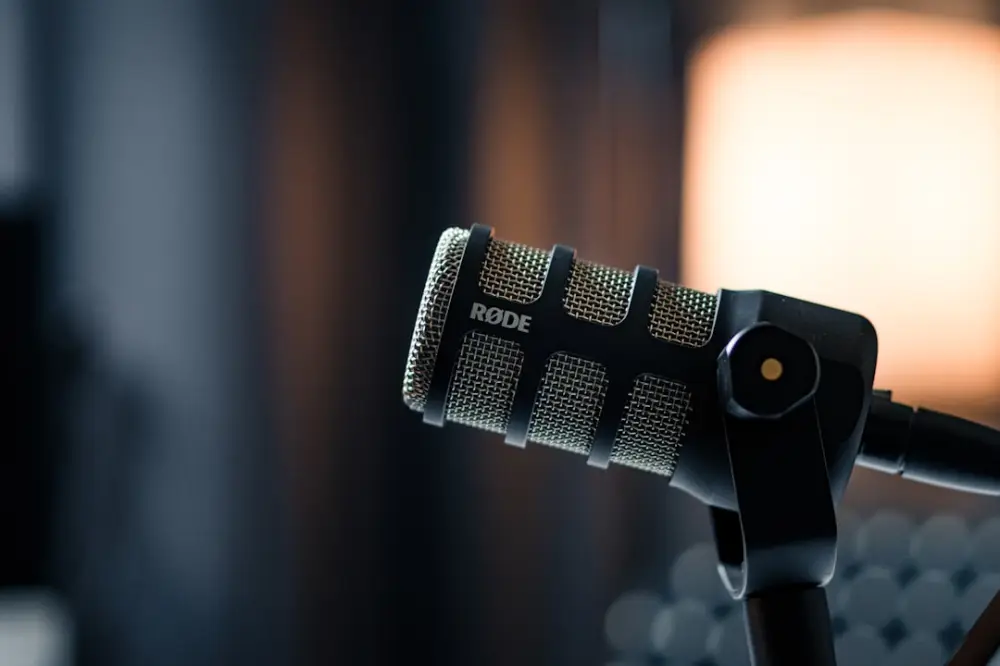
How artificial intelligence is actually changing the way we hear voices
The New Era of Vocal Presence
Have you noticed? The voices in your favorite podcasts sound crisper, more intimate, and more consistent than they did just a few years ago. While high-end microphones and sound-treated rooms at studios like Calypso Room still play a vital role, there is a new silent partner in the booth: Artificial Intelligence. AI is no longer just about generating robotic text-to-speech; it is fundamentally changing the way we record, edit, and perceive the human voice in modern sound production.
For podcasters and audio creators, this shift is more than a technical curiosity—it is a practical revolution. AI is helping creators bridge the gap between a home-recorded demo and a studio-quality production, making professional sound more accessible than ever before. In this guide, we will explore how these technologies are being used today and how you can practically integrate them into your own creative audio process.
Beyond the Robot: The Rise of Natural AI Enhancement
In the early days of digital audio, noise reduction often left voices sounding "underwater" or metallic. Today, AI-driven neural networks have learned to distinguish between the complex frequencies of human speech and the unwanted hum of an air conditioner or the hiss of a budget preamp. Instead of simply cutting frequencies, these tools reconstruct the voice, filling in the gaps to create a fuller, more resonant sonic texture.
Cleaning Up the Clutter with AI Restoration
One of the most practical applications of AI in the studio is restoration. Tools like Adobe Podcast or iZotope RX use machine learning to analyze a recording and strip away reverberation and background noise. For the modern podcaster, this means that an interview recorded in a noisy cafe can, with the right processing, sound like it was captured in a controlled studio environment. This allows for greater flexibility in where and how stories are told without sacrificing the professional quality listeners expect.
The Magic of Voice Leveling and Tone Matching
Consistent volume is the hallmark of a professional podcast. Traditionally, this required hours of manual compression and gain riding. AI now automates this by analyzing the entire track to ensure the speaker’s energy remains consistent. More impressively, AI can now match the "tone" of different microphones. If you record an intro on a high-end studio mic and an interview on a portable device, AI can help blend the two so the transition is seamless for the listener.
Practical Strategies for Integrating AI Into Your Workflow
Adopting AI doesn't mean letting a machine take over your creative vision. Instead, it’s about using these tools to handle the repetitive, technical tasks so you can focus on the art of storytelling. Here is a practical approach to bringing AI into your production routine:
- Start with AI-Driven Denoisers: Before you even begin EQing, run your raw audio through a light AI noise reduction pass. This creates a clean canvas for further creative mixing.
- Use AI for "Punch-ins" and Corrections: Modern tools allow you to fix a misspoken word by simply typing the correction. The AI generates the word in your own voice, saving you from having to set up the mic for a single-sentence re-record.
- Leverage Transcription-Based Editing: Platforms like Descript allow you to edit audio by deleting text. This uses AI to stitch the remaining audio together naturally, significantly speeding up the rough-cut phase of production.
- Automate the Master: While custom mastering is ideal, AI mastering services can provide a quick, balanced output for daily content or social media clips, ensuring your loudness levels meet industry standards.
Preserving the Human Element and Sonic Identity
As we embrace these advanced tools, a common concern arises: will we lose the "human" touch? The key is to use AI as an enhancement, not a replacement. A voice is more than just data; it carries emotion, breath, and personality. At Calypso Room, we believe that the goal of modern sound production is to build a sonic identity that feels authentic.
When using AI voice enhancements, it is important to maintain the natural dynamics of speech. Over-processing can lead to the "uncanny valley" of audio, where a voice sounds too perfect to be real. To avoid this, always A/B test your AI-processed audio against the original. If the AI is stripping away the subtle breaths and pauses that convey emotion, dial back the intensity. The best AI work is the kind that the listener never notices.
The Future of Listening
The way we hear voices is becoming more personalized. We are moving toward a future where AI might adjust the frequency response of a podcast in real-time to match the listener’s specific hearing profile or the environment they are in. For creators, this means the focus will shift even more toward the quality of the performance and the narrative structure, trusting that technology will handle the technical delivery.
Whether you are building a sonic identity from scratch or looking to polish a seasoned show, AI offers a suite of tools that make professional audio more attainable. By understanding the practical applications of these technologies—from noise restoration to text-based editing—you can ensure your voice is heard exactly the way you intended: clear, resonant, and undeniably human.
The evolution of sound production is an ongoing journey. As these tools continue to mature, the line between silence and symphony becomes thinner, allowing every creator the chance to produce something truly world-class.

The Evolution of Sonic Texture in Modern Narrative Podcasts
The Shift from Dialogue to Atmosphere
For decades, the power of audio storytelling rested almost exclusively on the shoulders of the narrator. Whether it was the golden age of radio dramas or the early days of the podcasting boom in the mid-2000s, the voice was the primary vehicle for information and emotion. Sound effects were often literal—a door slamming, a car driving away—serving as functional cues rather than artistic layers. However, as the medium has matured, a profound shift has occurred. We have entered the era of 'sonic texture,' where the space between the words is just as important as the words themselves.
This delicate balancing act relies on the technical precision of professional mixing and mastering to ensure that the voice remains distinct amidst the dense layers of texture.
Today’s modern narrative podcasts are no longer just spoken-word programs; they are intricate, multi-dimensional soundscapes. This evolution mirrors the transition in cinema from silent films to talkies, and eventually to the immersive Dolby Atmos experiences of today. At Calypso Room, we observe this trend as a move toward 'cinematic podcasting,' where sound design acts as a silent narrator, guiding the listener’s subconscious through mood, tension, and place.
The Anatomy of a Sonic Landscape
When we discuss sonic texture, we are referring to the tactile quality of sound. It is the grit in a field recording of a busy New York City street, the warm hiss of an analog tape loop playing under a monologue, or the clinical, sterile silence used to punctuate a moment of shock. This complexity is achieved through a layered approach to production that goes far beyond basic editing.
Foley and the Art of the Mundane
One of the most significant advancements in narrative podcasting is the integration of high-end foley work. In the past, creators might use a generic 'footsteps' sound effect from a digital library. Modern producers, however, are capturing bespoke audio that reflects the specific environment of the story. If a protagonist is walking through a forest in the Pacific Northwest, the crunch of the needles underfoot needs to sound damp and heavy. This attention to detail creates a sense of 'presence' that anchors the listener in the narrative world.
The Psychological Power of Ambient Beds
Ambient beds have evolved from simple background music to complex, evolving textures. Instead of a looping track, producers are now using granular synthesis and processed field recordings to create 'drones' that shift in frequency and tone based on the emotional arc of the scene. This technique allows the audio to breathe with the story, swelling during moments of intensity and thinning out during moments of vulnerability.
Why High-Fidelity Production is No Longer Optional
As the audience’s palate has become more sophisticated, the tolerance for 'flat' audio has diminished. Listeners are now consuming content on high-quality noise-canceling headphones and advanced home speaker systems. This hardware demands a level of production depth that matches its capabilities. The evolution of sonic texture is driven by several key factors in the modern production workflow:
- Spatial Audio and Binaural Recording: Producers are increasingly using 3D audio techniques to place sounds around the listener’s head, creating a physical sense of space.
- Dynamic Range Management: Moving away from the 'loudness wars,' narrative podcasts now utilize a wider dynamic range to allow for natural peaks and valleys in the storytelling.
- Analog-Digital Hybrid Processing: Utilizing analog gear—like the equipment found in advanced studios—adds a harmonic richness and 'warmth' that purely digital plugins often struggle to replicate.
- Micro-Editing for Pacing: The manipulation of breath, silence, and cadence to mirror natural human psychology rather than just cleaning up 'umms' and 'ahhs.'
The Narrative Purpose of Sound
The true genius of modern sound design lies in its ability to convey information without a script. In shows like Radiolab or S-Town, the sound design often acts as a metaphor. A stuttering electronic glitch might represent a character’s fractured memory, while a rising orchestral swell might signify a dawning realization. This is where the line between podcasting and musical composition blurs. Producers are increasingly thinking like composers, arranging sounds in a way that follows melodic and rhythmic structures even when there is no traditional music present.
This 'musicality' of non-musical sounds is a hallmark of modern sound production. It requires a deep understanding of frequency masking and phase relationships to ensure that the voice remains clear while surrounded by a dense forest of texture. It is a delicate balancing act that requires both technical precision and artistic intuition.
The Future: Spatial Audio and Beyond
Looking forward, the evolution of sonic texture shows no signs of slowing down. With the rise of spatial audio platforms and the increasing accessibility of Dolby Atmos for headphones, the next frontier is interactivity. Imagine a narrative podcast where the sonic texture changes based on your environment or where you can 'turn your head' to hear a secondary conversation happening in the background of a scene.
For studios like Calypso Room, this evolution represents the ultimate realization of audio’s potential. Sound is no longer a secondary consideration; it is the very fabric of the story. As we continue to push the boundaries of what is possible in modern sound production, the goal remains the same: to create an experience so immersive that the listener forgets they are wearing headphones and feels, instead, like they are standing in the center of the story.
Conclusion: The New Standard
The evolution of sonic texture has fundamentally changed the relationship between the creator and the listener. It has elevated podcasting from a casual medium to a respected art form. For creators, the message is clear: to stand out in a crowded market, you must invest in the sonic identity of your work. The voice may start the conversation, but it is the texture that keeps the audience listening.
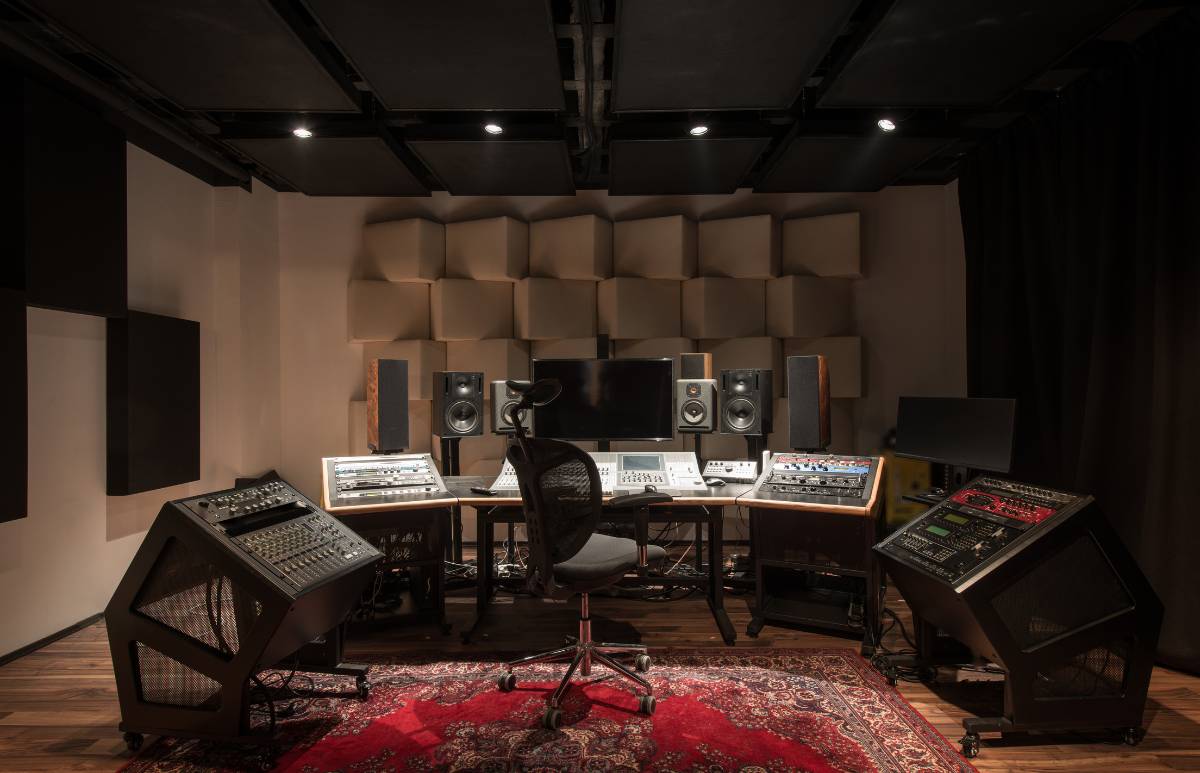
Inside the Studio: A Step-by-Step Look at the Creative Audio Process
Every unforgettable song begins long before it hits your playlist. Behind the finished track lies a meticulous journey — one of creativity, experimentation, and technical mastery. The audio production process is where sound becomes story, emotion becomes frequency, and art meets science.
Let’s take a closer look inside the studio and uncover how great music is built — step by step.
1. Inspiration and Pre-Production: Laying the Foundation
Every project starts with a vision. Artists, producers, and songwriters gather to define the song’s concept, tone, and message. This phase includes:
- Writing lyrics and melodies
- Selecting instruments or digital sounds
- Outlining arrangement ideas
Pre-production is where creative direction meets structure. The goal is to capture the essence before recording begins — to ensure every note serves the story. A clear foundation prevents chaos later and allows innovation to thrive within purpose.
2. Recording: Capturing the Performance
Once the creative blueprint is ready, the real magic begins. The studio transforms into a laboratory of sound. Engineers position microphones, calibrate equipment, and test acoustics to achieve optimal clarity and depth.
Recording sessions can involve live instruments, vocals, or digital synthesis. The focus here is authenticity — capturing emotion with precision. Every take matters. Sometimes the most powerful recordings are not technically perfect, but emotionally raw.
3. Editing: Refining the Raw Material
After recording comes editing, the invisible craftsmanship that shapes performance into perfection. Engineers clean up tracks, adjust timing, and eliminate background noise. This phase also includes comping (choosing the best takes), aligning rhythms, and fine-tuning pitch.
Editing isn’t about erasing human imperfection — it’s about enhancing clarity without losing soul. The aim is to keep the natural flow intact while preparing the mix for its full potential.
4. Mixing: Sculpting Space and Emotion
Mixing is where technical skill and artistic intuition collide. Each sound is balanced, EQ’d, and placed within the stereo field. Effects like reverb, delay, and compression are added to create dimension and depth.
A great mix transforms dozens of layers into one unified experience. It determines how instruments interact, how vocals sit in the mix, and how energy flows through the track. This is where the song truly begins to breathe.
5. Mastering: The Final Sonic Polish
The final step, mastering, gives the track its professional edge. Here, subtle adjustments to tone, loudness, and frequency balance ensure consistency across all playback systems — from headphones to stadium speakers.
Mastering isn’t about making the song louder; it’s about refining its identity. The result is a cohesive, polished track ready for distribution — the difference between a demo and a timeless record.
6. Collaboration and Technology: The Heart of Modern Production
Today’s studios blend creativity with advanced digital tools. From AI-assisted mastering to virtual instruments and cloud-based sessions, innovation has democratized music creation. Yet, even with all this technology, the human ear — and the emotional intent behind it — remains irreplaceable.
Every producer, engineer, and artist contributes their unique perspective. Together, they turn technical processes into emotional storytelling through sound.
Conclusion: Where Vision Becomes Vibration
The creative audio process is far more than a checklist — it’s a journey of transformation. Every stage, from inspiration to mastering, is a step toward capturing the unspoken language of emotion.
Inside the studio, every decision counts. The tools may evolve, but the mission remains the same: to create sound that connects, moves, and endures.
Because the most powerful songs aren’t just heard — they’re felt.
For those interested in learning more about audio-first content, this resource provides valuable insights and information on the topic.
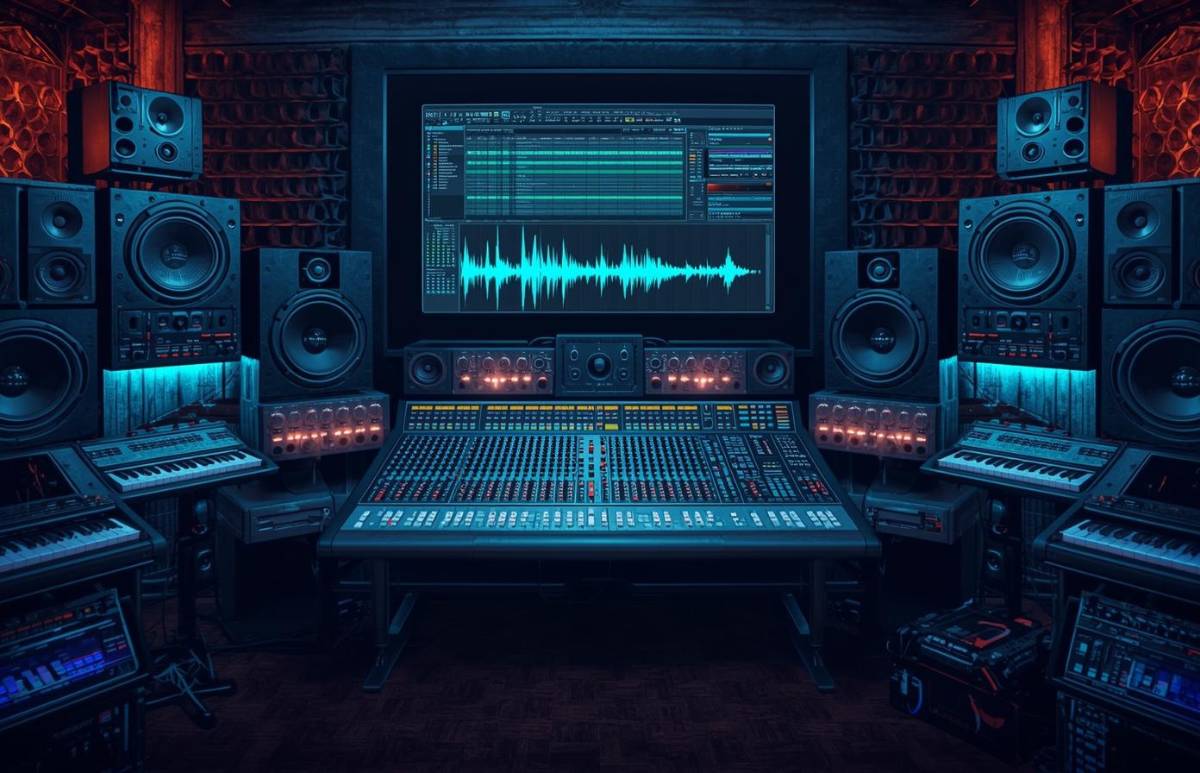
Why Mixing and Mastering Are the Hidden Secrets of Professional Sound
Behind every unforgettable track lies an invisible art form — one that determines whether a song sounds polished or unfinished. In the world of professional audio, mixing and mastering are the hidden engines that turn raw creativity into sonic perfection. They are the reason a track feels alive, balanced, and emotionally immersive — whether it’s played in a studio, a car, or through headphones.
These stages separate amateur sound from professional production, shaping not just what we hear, but how we feel it.
1. The True Purpose of Mixing: Crafting Balance and Emotion
Mixing is more than adjusting volume levels — it’s about sculpting space and energy within a song. Every sound, from vocals to percussion, competes for attention. The mixer’s role is to give each element its place, ensuring clarity and cohesion.
Through techniques like EQ, compression, panning, and reverb, a great mix transforms chaos into intentional harmony. The goal isn’t just technical precision; it’s emotional translation.
A well-mixed track lets listeners feel the message behind the music without distraction.
2. Mastering: The Final Polish of Perfection
If mixing is the creative stage, mastering is the refinement of excellence. It ensures that a song sounds consistent and powerful across every playback system — from a smartphone speaker to a concert hall.
A mastering engineer enhances loudness, tone balance, and stereo depth, preparing the track for commercial release. The process is subtle yet critical — one small adjustment can turn a good mix into a radio-ready masterpiece.
Professional mastering also aligns tracks across an album or playlist, giving the entire project sonic unity and flow.
3. Why It Matters: The Sound of Professionalism
Listeners may not always identify what mixing or mastering do — but they instantly recognize when it’s missing. A poorly mixed track can feel muddy or uneven; an unmastered one may lack energy or cohesion.
In a saturated music landscape, sound quality defines credibility. Independent artists and producers who invest in professional post-production gain a competitive advantage. The difference is not just technical — it’s psychological. A polished sound tells audiences, this is serious art.

4. The Tools and the Talent Behind the Process
While modern software offers accessible mixing and mastering tools, true mastery lies in the ears and experience of the engineer. Balancing frequencies, dynamics, and spatial perception demands both science and intuition.
The best engineers know when to push boundaries or hold restraint, understanding that silence and subtlety often speak louder than volume. It’s an art that blends creativity, acoustics, and technology into one coherent expression.
5. The Future: AI and the Human Touch
Automation and AI-powered mastering platforms are gaining popularity, but they can’t replace human emotion and intent.
Where machines measure, humans interpret. The finest sound design will always require an emotional ear — one that listens for story, not just sound.
The future of professional production lies in collaboration: technology enhances precision, but the human element keeps it alive.
Conclusion: The Unsung Art of Perfect Sound
Mixing and mastering aren’t afterthoughts — they’re the foundation of professional audio identity. They elevate a song from concept to experience, turning frequencies into feelings.
In every timeless track, you’ll find this invisible craftsmanship — the balance, depth, and resonance that make sound unforgettable.
Because in music, perfection isn’t heard by accident; it’s engineered with intention.

From Silence to Symphony: The Art of Building a Sonic Identity
In today’s digital world, sound is more than background noise—it’s a powerful brand language. From startup jingles to streaming intros, the right sound transforms an interaction into an emotional experience. This is the art of sonic identity—a strategic approach that defines how brands are heard, not just seen.
Sound has become the new frontier of storytelling, connecting audiences through emotion, memory, and meaning.
1. The Power of Sound in Modern Branding
We live in an attention-driven economy, where every second counts. While visuals dominate brand recognition, sound penetrates faster and lasts longer in memory. Studies show that audio cues trigger emotional recall up to five times faster than visuals.
That’s why brands with strong sonic identities—think Intel’s chime, Netflix’s “ta-dum,” or Mastercard’s melody—stand out effortlessly in crowded markets.
A distinct sound doesn’t just enhance recognition; it creates emotional consistency across touchpoints.
2. The Anatomy of a Sonic Identity
A true sonic identity is more than a catchy tune. It’s a layered sound architecture that reflects the brand’s personality and values. Elements include:
- Logo Sound – The brand’s audible signature; short, recognizable, and emotionally resonant.
- Brand Themes – Extended compositions for ads, events, and digital environments.
- UX/UI Sounds – Subtle cues in apps, websites, or devices that reinforce intuitive interaction.
- Voice and Tone – The spoken dimension that carries authority, empathy, or playfulness.
When crafted with intent, these elements align into a seamless auditory ecosystem, much like a visual identity system.
3. Turning Silence Into Strategy
Many organizations underestimate silence—but in sound design, silence is part of the score. The absence of sound can create tension, focus attention, or highlight emotion.
Strategically using pauses and dynamics transforms an experience from flat to immersive.
Brands that master this rhythm—balancing volume, tone, and timing—gain a competitive edge by shaping how audiences feel, pause, and remember.

4. Emotion, Culture, and Context
Sonic identity isn’t universal—it’s cultural. What evokes excitement in one market may feel intrusive in another.
Understanding cultural tone and emotional context ensures the sound resonates authentically.
A brand’s sonic strategy must evolve with its audience—modern, inclusive, and adaptable across geographies. The most successful brands treat sound as a living language, refining it with every interaction.
5. Designing for the Future of Sound
The rise of AI voice assistants, immersive audio, and spatial sound technologies is redefining how brands engage audiences. In the coming years, sound will play a central role in creating multi-sensory experiences that bridge digital and physical worlds.
Brands that invest now in sonic branding systems—rooted in creativity, psychology, and data—will lead this evolution.
The next generation of consumers won’t just recognize a logo; they’ll hear a brand’s presence in every moment of interaction.
Conclusion: Every Brand Has a Sound—Make Yours Heard
Building a sonic identity isn’t about making noise; it’s about crafting meaning. It’s the art of turning brand values into vibrations that move people.
From silence to symphony, every tone, beat, and pause tells a story.
In an increasingly sound-driven world, the brands that are heard with intention will be the ones that are remembered.